
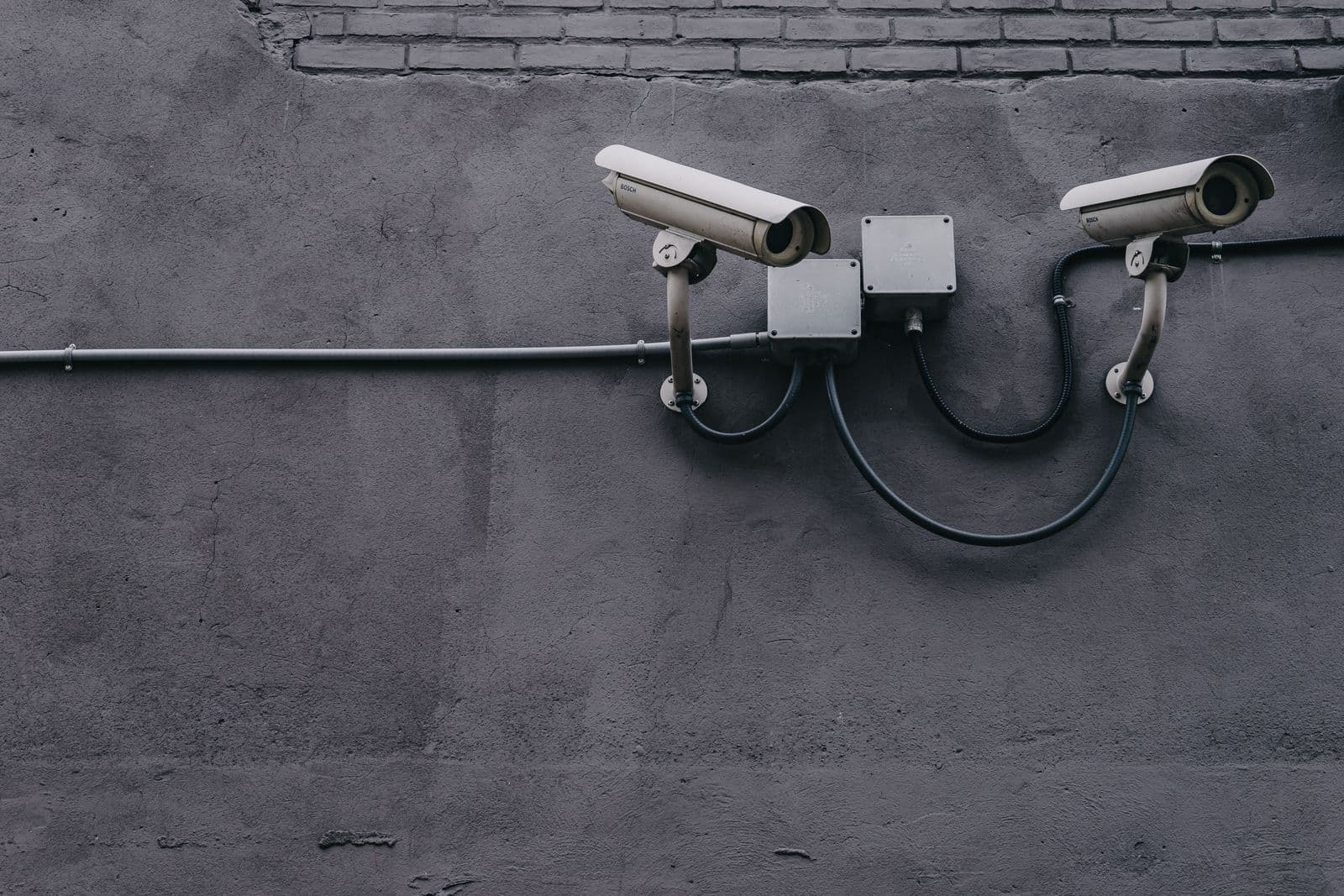
Commercial Video Surveillance Systems for Massachusetts & New Hampshire Buildings
R&D Life Safety Systems designs, installs, and services commercial video surveillance systems for buildings across Massachusetts and New Hampshire. We start with what you actually need to see: entrances, loading docks, parking areas, the corner where the incidents keep happening, and design camera coverage, recording, and retention around those goals rather than around a camera count. We install new IP systems, migrate aging analog systems, and take over cameras and recorders other companies installed, with remote viewing set up so the right people can check footage from anywhere. Every system leaves our hands documented: what each camera covers, how long footage is retained, and how to export video when it matters.
When to call
Sound familiar?
- Something happened. A break-in, a slip-and-fall, a vehicle hit in the lot, and when you pulled the footage it was too dark, aimed at the wrong spot, or already overwritten.
- Cameras are down or the recorder has failed, and the company that installed the system isn’t answering.
- Your insurance carrier, corporate office, or board is asking for camera coverage of specific areas, and proof that it’s actually recording.
- Tenants or employees are reporting theft, illegal dumping, or vehicle break-ins, and you have no coverage where it’s happening.
- You’re running an aging analog system and need a straight answer on what’s worth keeping and what’s at end of life.
- You manage several buildings and want to check cameras at all of them without juggling separate apps and logins.
- You’re building or fitting out space and the video surveillance scope needs design and pricing alongside access control.
Scope
What we do
Included
- Camera system design built from coverage goals: entrances, exits, loading and receiving, parking areas, cash-handling points, and problem spots
- New IP camera system installation, including cabling, mounting, aiming, and focus verification
- Analog-to-IP migrations, reusing existing cable runs where the condition and image requirements allow
- Recorder and video-management setup: on-premise NVR, cloud, or hybrid, with retention configured to your needs and verified in operation
- Takeover, troubleshooting, and repair of systems other companies installed: dead cameras, failed recorders, storage and playback problems
- Remote viewing setup with individual user accounts and permissions, including multi-site portfolios under one interface
- Coordination with access control so door events and video can be reviewed together
Not included (and who we coordinate with instead)
- Cameras in areas where people have a reasonable expectation of privacy: restrooms, locker rooms, changing areas. We don’t design or install them.
- Audio recording. Recording conversations raises state-law consent questions that belong with your attorney, not your camera installer. We design video-only systems and don’t advise on audio.
- Live guard-style monitoring of your feeds. We build systems your own team views and searches; if you need operators watching screens, that’s a different service and we’ll say so up front.
How it works
What happens when you call
- 1
Start with what you need to see
Call 617-207-2777 or send a request and describe the incidents, the areas, or the requirement driving the project. You’ll talk to a person who asks real questions, and if we miss your call, we call back.
- 2
Walk the site
We look at lighting by day and what it becomes at night, mounting heights, cable paths, network closets, and any existing cameras or cabling worth reusing. Camera systems designed from a satellite photo produce footage that disappoints.
- 3
Design around coverage, then count cameras
You get a plan that names the areas covered, the recorder or platform proposed, and the retention math behind the storage sizing, with the tradeoffs explained in plain terms, so you know what each camera is for before you sign anything.
- 4
Install, aim, and verify
We mount and aim each camera, then verify the recorded image, not just the live view, including how scenes hold up in low light. Retention is confirmed against the design, and remote access is set up with per-user permissions.
- 5
Hand over the documentation
You receive a camera schedule stating what each camera covers, where footage lives, how long it’s kept, and how to export a clip, plus properly handled administrator credentials, so the system doesn’t depend on one person’s memory.
- 6
Stay reachable
When a camera drops offline, storage fills, or you need footage exported under time pressure, you call the same number and reach people who know the system.
Where this applies
Facility types we work in
- Office and commercial buildings
- Apartment and condominium buildings
- Industrial, warehouse, and distribution facilities
- Municipal and public buildings
- Retail and mixed-use properties
- Schools and campus buildings
- Parking areas, garages, and building exteriors
Systems & platforms
Our team works with security and access platforms including DSC, Vista, Mercury, Brivo, ExacqVision, Eagle Eye, and Avigilon.
Why R&D
What working with us is like
Coverage goals before camera counts
A proposal that leads with “sixteen cameras and a recorder” has it backwards. We start from the list of things you need to see and let the camera count fall out of the design, which also means every camera on the quote has a stated purpose you can challenge.
We verify the recording, not just the live view
A camera can look fine on the monitor and still produce useless footage: headlight glare, wrong exposure after dark, motion settings that skipped the event. We review recorded video, including night scenes, and confirm actual retention before we call the job done.
Documentation your next manager can use
The worst time to discover nobody knows the recorder password is the morning after an incident. Our handover includes the camera schedule, retention settings, and export steps in writing, so pulling video doesn’t depend on whoever set the system up.
Takeovers without a rip-and-replace reflex
Cable runs, mounts, and some existing cameras often still earn their keep. We tell you which parts of an old system are worth reusing and which are costing you image quality, with the reasoning, not just a bigger quote.
A person on the phone
When footage needs to be exported before it’s overwritten, waiting on a ticket queue is not acceptable. Call 617-207-2777 and you reach a person; if we miss you, we call back.
Questions
Frequently asked questions
How long will the system keep footage?
It depends on how much storage the recorder has and how much video you write to it: camera count, resolution, frame rate, and whether cameras record continuously or on motion all change the math. We design from the retention you actually need: long enough to cover the gap between an incident happening and someone reporting it, which is usually longer than people expect; then size storage to hit it and verify the real number once the system is running. If your current system overwrites footage faster than you thought, that’s a fixable design problem.
Can you service or take over a camera system another company installed?
Usually, yes. Most commercial IP cameras and recorders follow open standards, and we work across multiple video platforms. The exceptions are systems locked to a proprietary cloud service or dealer network. We identify that from the make and model before you commit to anything. Where existing equipment is worth keeping, we say which pieces and why.
Can I view the cameras from my phone, and control who else can?
Yes. The platforms we work with support live and recorded viewing from a phone or browser, with individual accounts and permissions. A regional manager can see every site while a site supervisor sees only theirs. We set accounts up that way from day one, because the alternative: one shared login everybody uses: means you’ve lost track of who can watch and export your footage.
Can the cameras record audio, and what about privacy rules?
We design video-only systems. Audio recording raises consent requirements under state law that vary by state and situation, and that question belongs with your attorney. We don’t advise on it. On the video side, we don’t place cameras in areas where people have a reasonable expectation of privacy, and we flag placement concerns during design, such as views into a neighboring property or residential windows. Whether your use calls for signage or notice is another question for counsel; we’ll build to whatever they tell you. Nothing here is legal advice.
Do we have to rip out our old analog cameras?
Not always. Existing coax runs can often be reused with hybrid recorders or converters, which lets you replace the worst cameras first and spread the upgrade over time. Whether that’s worthwhile depends on the cabling’s condition and what you need from the images. We’ll tell you during the site walk which parts of the old system are still doing their job.
Do you install camera systems outside Massachusetts?
We serve commercial and institutional buildings across Massachusetts and New Hampshire. Call to confirm coverage for your specific site.
Coverage
Service area
We install and service commercial video surveillance across Massachusetts and New Hampshire. Call to confirm coverage for your specific site, and if you run cameras at several buildings, ask about bringing them onto one platform under one service relationship.
Related pages
Commercial Security Systems
Access control, video surveillance, intrusion detection, and intercoms for commercial buildings in MA & NH. Call 617-207-2777. We answer, or we call back.
Learn more →Access Control
Card, fob, and mobile-credential access control for commercial buildings across MA & NH. Design, installation, takeovers, and service. Call 617-207-2777.
Learn more →Intrusion Detection
Commercial intrusion and burglar alarm installation, monitoring, and service for facilities across MA & NH. Call 617-207-2777. We answer, or we call back.
Learn more →Commercial & Industrial
Fire alarm service, testing, and repair for manufacturing, warehouse & industrial facilities in MA & NH: planned around production. Call 617-207-2777.
Learn more →Property Management
Fire alarm inspection, service, and monitoring for property management portfolios across MA & NH. One accountable vendor: call 617-207-2777.
Learn more →Browse all services or contact us with a question.
Tell us what you need to see
One dead camera, a recorder that quit, or a property with no coverage at all: call 617-207-2777 or send a service request. Describe the incident or the area you’re worried about, and we’ll tell you what a sensible system looks like.