
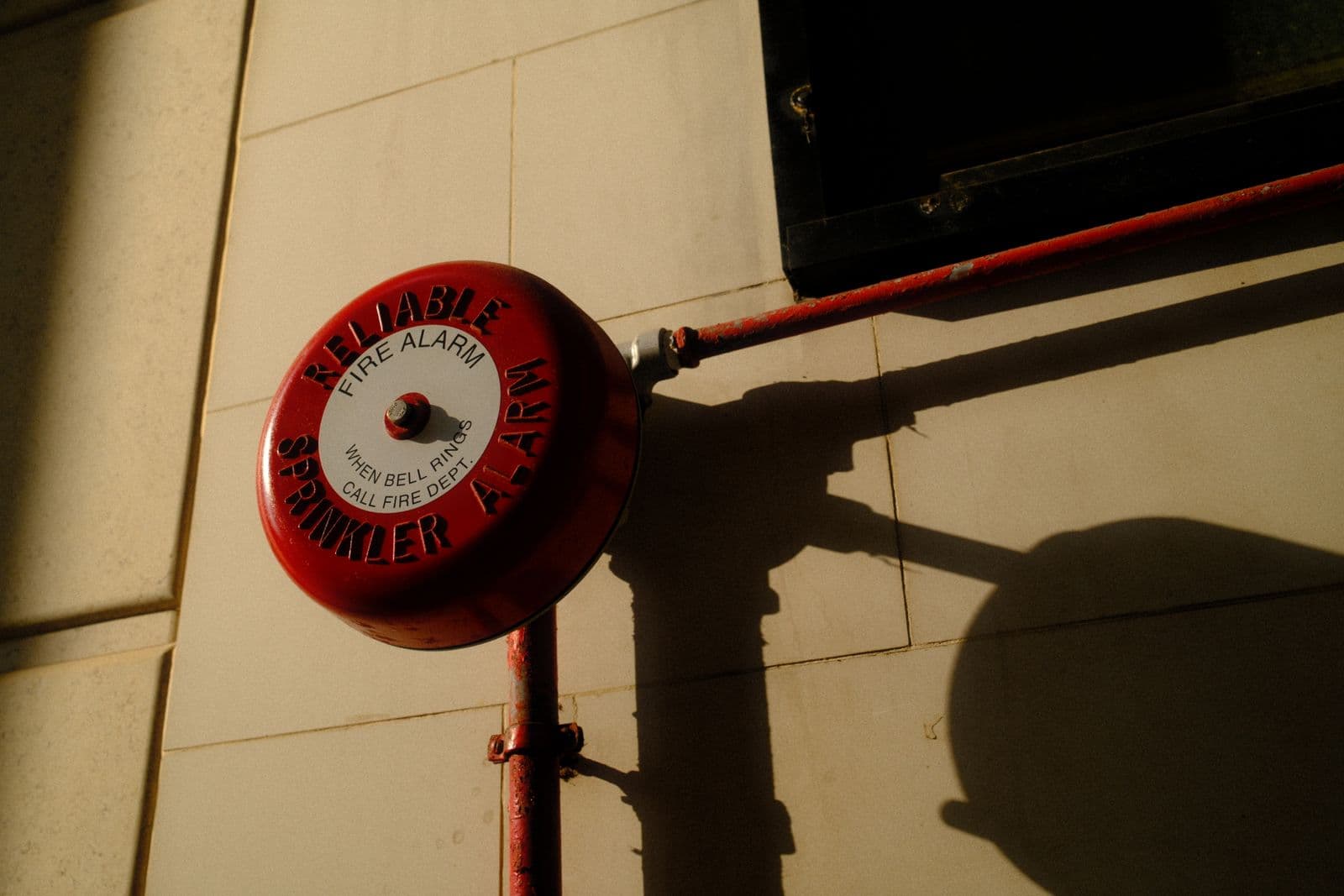
Fire Alarm Monitoring, Communicator Upgrades & Account Takeovers for MA & NH Buildings
R&D Life Safety Systems sets up and manages central-station fire alarm monitoring for commercial buildings across Massachusetts and New Hampshire: new accounts, takeovers of accounts currently monitored by another company, and communicator upgrades that move systems off retiring copper phone lines onto cellular or IP paths. Monitoring is the part of a fire alarm system nobody sees working, which is exactly why the account details matter: which central station receives your signals, who gets called and in what order, and whether the signal path itself is supervised. We put those details in order, verify them by testing, and document the result so you can answer for it.
When to call
Sound familiar?
- A monitoring invoice arrives every month from a company you can’t get on the phone, and you’re not sure what the account even covers.
- The panel is showing a communicator or phone-line trouble that keeps coming back, and nobody has explained what it means.
- Your telephone carrier is retiring the copper lines your dialer uses, or you’re paying for two dedicated analog lines that now cost more than the monitoring itself.
- You bought or inherited a building and the monitoring account is still in a previous owner’s name, with a call list full of people who left years ago.
- The central station keeps calling the wrong people about signals, or nobody can produce the current call list at all.
- Your insurance carrier or the fire department asked for proof the building is monitored, and you don’t have a document to hand them.
- You manage multiple buildings with monitoring scattered across several vendors and want the accounts consolidated with one accountable company.
Scope
What we do
Included
- Central-station monitoring accounts for commercial fire alarm systems: new systems and existing ones
- Takeovers of accounts currently monitored through another company, including reprogramming and cutover
- Communicator upgrades: replacing POTS dialers with cellular, IP, or dual-path communicators
- Signal testing at cutover: alarm, trouble, and supervisory signals verified as received by the central station
- Call-list setup and maintenance so the right people get called in the right order
- Account documentation: communicator details, account numbers, test records, and contact lists in your file, not just ours
- Coordination with your AHJ where the jurisdiction has requirements for how alarms reach the fire department
Not included (and who we coordinate with instead)
- Residential monitoring. Our focus is commercial and institutional buildings
- Guard or runner response services. We help you build a call list so your own keyholders are reached reliably
How it works
What happens when you call
- 1
Start with the account facts
Tell us the panel make and model, who monitors the building now (if you know), and what your current agreement says about term and notice. A recent monitoring bill and a photo of the panel and communicator get us most of the way.
- 2
Check the signal path on site
We look at how the system communicates today. A POTS dialer on copper lines, an aging cellular unit, an IP connection, and whether the panel programming is accessible. That determines whether a takeover is a reprogram, a communicator swap, or both.
- 3
Plan the cutover with no gap
We sequence the work so the new account is built, the communicator is online, and signals are verified at the central station before the old service ends. You cancel the outgoing agreement on your own schedule, after the new path is proven, not before.
- 4
Test and verify every signal type
At cutover we transmit alarm, trouble, and supervisory signals and confirm the central station received each one on the correct account. Then we walk the call list with you so the notification order reflects who actually answers for the building today.
- 5
Notify who needs notifying
Some jurisdictions want to know who monitors a building and how the fire department gets notified. A few Massachusetts municipalities still run master-box or municipal-connection arrangements. Where your AHJ has requirements, we coordinate that notification and give you the paperwork.
- 6
Keep the account maintained
Call lists drift as staff turn over, and communicators throw troubles that need a diagnosis, not a shrug. You keep one point of contact for the account, and changes get documented when they happen.
Where this applies
Facility types we work in
- Office and commercial buildings
- Apartment and condominium buildings
- Municipal and public-housing buildings
- Schools, colleges, and universities
- Industrial and warehouse facilities
- Retail and mixed-use properties
- Multi-building portfolios consolidating monitoring under one vendor
Systems & platforms
Our technicians have hands-on experience with commercial fire alarm platforms including Autocall, Notifier, Edwards/EST, Fire-Lite, Silent Knight, Farenhyt, and Simplex. We are happy to talk through your specific panel before we come out.
Compliance context
Codes, standards, and your AHJ
How a monitored fire alarm system must communicate. The transmission paths, how they are supervised, and how signals are retransmitted to the fire department: is governed by NFPA 72 as adopted in your state, the state fire code, and your local authority having jurisdiction (AHJ). Requirements differ by occupancy, by system, and by municipality: some AHJs accept a single cellular path, others require dual paths, and some have their own arrangements for fire department notification. We confirm what applies to your building with your AHJ rather than assuming, and nothing on this page is a compliance determination for your property.
Why R&D
What working with us is like
Takeovers without the mystery
Before anything is touched, you get the plan in plain terms: what documents and access we need, what gets reprogrammed or replaced, when signals are tested, and when it’s safe to end the old agreement. No step happens that you can’t see coming.
The old account ends only after the new one is proven
We sequence every cutover so verified signals are arriving on the new account before the outgoing service is discontinued. The order of operations is the whole job, and we treat it that way.
You hold the records, not just us
Account numbers, communicator details, signal test confirmations, and the current call list live in your file. If you ever change vendors again, or an insurance auditor asks for proof of monitoring, you won’t be starting from zero.
One company for the panel and the account
When the same company services the system and manages the monitoring, a communicator trouble gets diagnosed instead of bounced between a service vendor and a monitoring provider who each say it’s the other’s problem.
A person on the phone for account questions
Call-list changes, a signal that doesn’t make sense, a billing question. You call 617-207-2777 and reach a person, and if we miss you, we call back. Monitoring accounts go stale when nobody answers; ours don’t.
Questions
Frequently asked questions
Can you take over monitoring from our current company?
In most cases, yes. A takeover involves gathering the account facts (panel, communicator, current central station), getting programming access or replacing the communicator, building the new account, verifying signals, and updating your call list and any AHJ notification: in that order, so there’s no gap. One thing to check first: your current agreement’s term and notice requirements. We’ll work around your contract dates, but we won’t advise you to walk away from an agreement you’re bound to.
What if our old company won’t release the installer code?
It happens, and there are legitimate reasons companies protect their programming. It usually isn’t a dead end: on many systems the communicator can be replaced or reprogrammed independently of the panel’s locked programming. Where a panel is genuinely locked down, we tell you what your options are and what each costs to pursue: before you commit to anything. Start by telling us the panel make and model.
Why does my phone-line dialer need to be replaced?
Telephone carriers have been retiring the copper landline network for years, and many older fire alarm dialers were installed with two dedicated analog lines that are now expensive, unreliable, or unavailable. A communicator upgrade replaces that arrangement with a cellular path, an IP path, or both, sized to what your AHJ accepts for your building. If your panel shows recurring phone-line troubles, this conversation is overdue.
Will there be a gap in monitoring during a takeover or upgrade?
The work is sequenced specifically to prevent one: the new account is established and signals are tested and confirmed at the central station before the old service is discontinued. If a communicator swap requires the system to be offline briefly during the work itself, we plan that window with you in advance and confirm signals immediately after.
What actually happens when an alarm signal comes in?
The central station receives the signal on your account, follows the verification protocol set up for your building, notifies the fire department, and works through your call list until it reaches someone responsible for the site. That chain is only as good as the account behind it, which is why we test signals and keep the call list current. And to be clear about the order of operations in a real emergency: Fire, smoke, or anyone in danger? Call 911 now. The monitoring chain is the backup for an unoccupied building, not a substitute for calling 911 when you see the problem yourself.
What does monitoring cost?
It depends on the communication path (cellular, IP, or dual-path), what the account covers, and what your AHJ requires, so we quote it for your building rather than publishing a number that wouldn’t hold. Ask us to review your current monitoring agreement: many buildings are paying legacy rates for service they could get on better terms.
Coverage
Service area
We set up and manage monitoring accounts for buildings across Massachusetts and New Hampshire. Call to confirm coverage for your site, and if you manage several buildings, ask about consolidating the accounts under one point of contact.
Related pages
Commercial Fire Alarm Systems
Commercial fire alarm installation, testing, service, and monitoring for facilities across MA & NH. Call 617-207-2777. We answer, or we call you back.
Learn more →Fire Alarm Service & Repair
Commercial fire alarm troubleshooting and repair across MA & NH: trouble conditions, device failures, wiring faults, nuisance alarms. Call 617-207-2777.
Learn more →Intrusion Detection
Commercial intrusion and burglar alarm installation, monitoring, and service for facilities across MA & NH. Call 617-207-2777. We answer, or we call back.
Learn more →Property Management
Fire alarm inspection, service, and monitoring for property management portfolios across MA & NH. One accountable vendor: call 617-207-2777.
Learn more →Multi-Site Facilities
One vendor for fire alarm inspection, service, and monitoring across your MA & NH sites. Consistent reports, consolidated scheduling. Call 617-207-2777.
Learn more →Monitoring Takeover Guide
How to switch fire alarm monitoring companies without a coverage gap: what to gather, how transfers work, and questions to ask. Call R&D at 617-207-2777.
Learn more →Browse all services or contact us with a question.
Get the monitoring account sorted
Have a recent monitoring bill and the panel make and model handy, or just tell us what the panel display says. We’ll tell you whether a takeover or a communicator upgrade makes sense and exactly what it would involve. Call 617-207-2777 or request service online.