
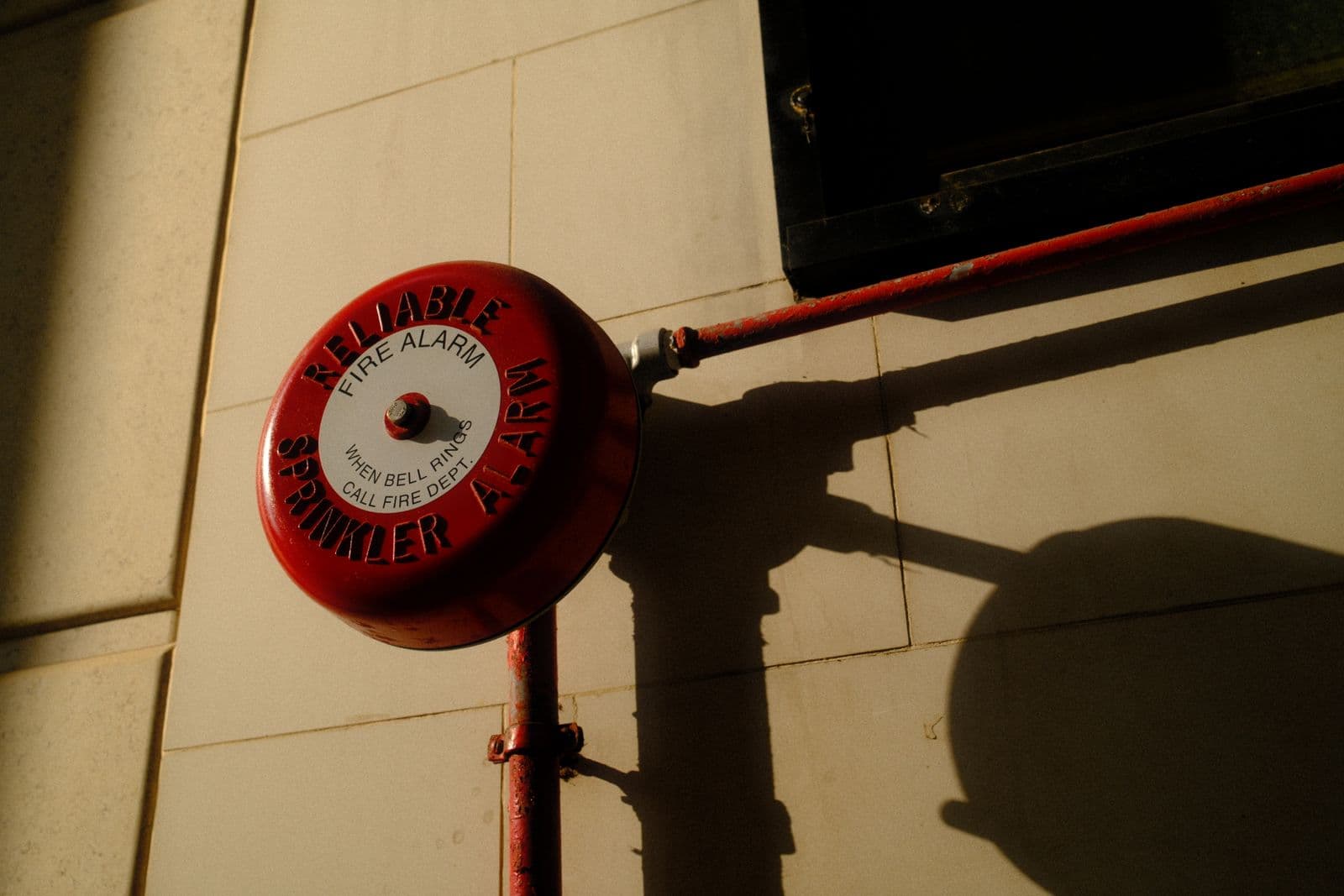
Fire Alarm Inspection & Testing for Massachusetts & New Hampshire Buildings
R&D Life Safety Systems performs code-required fire alarm inspection and testing for commercial and institutional buildings across Massachusetts and New Hampshire. A test visit from us means the central station knows the account is on test before the first device is tripped, the building knows when the horns will sound, and you end up with a written report you can hand to a fire inspector or insurance auditor without explaining it first. If the test turns up problems, you get a deficiency list separated by urgency, and a straight answer about what actually needs fixing first.
When to call
Sound familiar?
- The annual test is due, or already overdue, and your current vendor hasn’t returned three scheduling calls.
- Your insurance carrier or the fire department asked for the latest inspection report and nobody can find one.
- You just took over a building or a portfolio and there are no test records, no device inventory, and no idea when the system was last inspected.
- The last test triggered a monitoring dispatch or blindsided tenants, and you want the next one run with actual coordination.
- Last year’s report listed deficiencies that were never quoted, never fixed, and are about to come up again.
- Your AHJ wants inspection reports submitted a specific way and your current company isn’t doing it.
Scope
What a test visit covers
Included
- Code-required periodic inspection and testing of commercial fire alarm systems, on the schedule your code and AHJ require
- Functional testing of initiating devices: pull stations, smoke and heat detectors, duct detectors, and the waterflow and tamper switches that tie your sprinkler system to the panel
- Notification appliance testing: horns, strobes, and voice evacuation: scheduled and announced so occupants aren’t caught off guard
- Panel, battery, and communicator testing, with signal transmission verified at the central station rather than assumed
- Testing of auxiliary functions such as elevator recall, door holder release, and fan shutdown, coordinated with the trades that own those systems
- Smoke detector sensitivity testing where the required schedule calls for it
- A written report with device-level results, a deficiency list separated by urgency, and retest documentation once corrections are made
Not included (and who we coordinate with instead)
- Sprinkler system testing itself. We test the alarm devices that supervise the sprinkler system; a sprinkler contractor tests the wet side, and we coordinate the visits when your AHJ wants them together
- Portable extinguisher, kitchen hood suppression, and emergency lighting inspections: different trades, and we can tell you who to call
- Repairs found during testing. Those get a written quote you can approve, not surprise charges on the test invoice
How it works
What happens when you call
- 1
Scope the visit
Call 617-207-2777 or send a request. We ask for the panel make and model, the building type and size, and the last report if you can find it: enough to give you a realistic picture of how long the test takes and what access we need: tenant spaces, ceilings, the roof, the elevator machine room.
- 2
Coordinate before anyone touches a device
We place the monitoring account on test with the central station, confirm any notification your AHJ requires, and make sure the building has notice that audible devices will sound. In occupied buildings this step is the difference between a routine test and an angry morning.
- 3
Test and verify
We functionally test the required devices and watch the signals land: at the panel and at the central station. Failures get recorded as they’re found, on the device, not reconstructed from memory in the truck afterward.
- 4
Restore and confirm
The system goes back to normal, troubles get cleared, and the account comes off test only after the central station confirms it is seeing normal signals. We don’t leave a building with the panel in a state nobody can explain.
- 5
Report and close out
You get a written report: what was tested, what passed, what failed, and a deficiency list that separates real impairments from maintenance items. Corrections get a written quote, and once they’re done we retest and update the record, so the file your AHJ or insurer sees is actually closed.
Where this applies
Facility types we work in
- Office and commercial buildings
- Apartment and condominium buildings
- Schools, colleges, and universities
- Municipal and public-housing buildings
- Industrial and warehouse facilities
- Retail and mixed-use properties
- Healthcare and assisted-living occupancies
Systems & platforms
Our technicians have hands-on experience with commercial fire alarm platforms including Autocall, Notifier, Edwards/EST, Fire-Lite, Silent Knight, Farenhyt, and Simplex. We are happy to talk through your specific panel before we come out.
Compliance context
Codes, standards, and your AHJ
Testing and inspection frequencies for commercial fire alarm systems come from NFPA 72 as adopted in each state, the state fire code, and your local authority having jurisdiction (AHJ). Annual testing is the most common baseline, but the actual schedule depends on your occupancy, your systems, and what your AHJ requires: some components are on more frequent schedules, and some jurisdictions have their own rules about how and where reports are filed. We confirm the requirements for your specific building rather than quoting code at you. Nothing on this page is a compliance determination for your property.
- NFPA 72, National Fire Alarm and Signaling Code (overview) (NFPA)
- Massachusetts Department of Fire Services (Mass.gov)
- New Hampshire State Fire Marshal's Office (NH Department of Safety)
Why R&D
What working with us is like
On test, off test, every time
Most false dispatches during testing come down to a skipped phone call. Our test procedure starts with the central station and ends with the central station: on test before the first device is activated, confirmed normal before we leave. A fire department response to a scheduled test wastes their time and burns your goodwill with tenants and the AHJ.
Reports built to be handed over
Device-level results in a consistent format, year over year, so an inspector or insurance auditor can compare this year’s report to last year’s without a decoder ring. When a building changes managers, the records still make sense to the next person.
Deficiencies ranked, not dramatized
A dirty detector and a dead notification circuit are not the same problem. We separate impairments from maintenance items, tell you which is which, and quote the corrections in writing. A test visit is not a pretext for selling you work you don’t need.
Scheduling without the phone tag
When you call to book a test, you reach a person who can actually talk through dates, access, and tenant notice, and if we miss the call, we call back. Getting an annual test scheduled shouldn’t be the hardest part of your compliance year.
Questions
Frequently asked questions
How often does my fire alarm system need to be inspected and tested?
The schedule comes from NFPA 72 as adopted in your state, plus your state fire code and your AHJ. Annual testing is the most common requirement for commercial systems, and certain components are on more frequent schedules. Occupancy type, your insurance carrier, and local rules can all change the details, so we confirm what applies to your specific building rather than giving you a one-size answer.
Will the alarms sound during the test? What do we tell tenants?
Yes, notification appliance testing is audible by design, and pretending otherwise is how tenants end up furious. We schedule the audible portion for a window that works for the building, provide notice you can pass along in advance, and can phase testing by floor or area in larger buildings. For schools, sleeping occupancies, and other sensitive uses, we plan the timing around the occupants.
Will the fire department show up while you’re testing?
Not if the coordination is done right, and doing it right is part of the job. We place the account on test with the monitoring central station before activating anything and confirm it’s restored to normal before we leave. Where the AHJ wants direct notification of testing, we make that call too. If anything real happens during a test, the distinction matters: fire, smoke, or anyone in danger is always a 911 call.
What happens if the test finds failed devices or other problems?
Every failure goes on the report, ranked by urgency. An impairment that leaves part of the building unprotected is flagged as exactly that, and a maintenance item is called a maintenance item. Where a fix is minor and we have the part on hand, we’ll often take care of it during the visit and note it on the report. Anything more gets a written quote, and once corrections are made we retest and document the closure.
What documentation do I get, and what will the AHJ or my insurer ask for?
You get a written inspection and testing report: what was tested, device-level results, who performed the test, and the deficiency list if anything failed. Keep it with the prior years’ reports: inspectors and insurance auditors typically want the current report and often the history. Some AHJs also require reports to be submitted through a third-party compliance portal; we can tell you whether yours does and make sure the report gets where it needs to go.
We’re well outside Greater Boston: do you cover our building?
We serve commercial and institutional buildings across Massachusetts and New Hampshire. Call to confirm coverage for your specific site.
Coverage
Service area
We inspect and test commercial fire alarm systems across Massachusetts and New Hampshire. Call to confirm coverage for your specific building, and if you manage more than one, ask about putting the portfolio on a single test calendar so the reports, the format, and the point of contact stay consistent.
Related pages
Fire Alarm Service & Repair
Commercial fire alarm troubleshooting and repair across MA & NH: trouble conditions, device failures, wiring faults, nuisance alarms. Call 617-207-2777.
Learn more →Fire Alarm Monitoring
Central-station fire alarm monitoring, communicator upgrades, and monitored-account takeovers for buildings across MA & NH. Call 617-207-2777.
Learn more →Commercial Fire Alarm Systems
Commercial fire alarm installation, testing, service, and monitoring for facilities across MA & NH. Call 617-207-2777. We answer, or we call you back.
Learn more →Property Management
Fire alarm inspection, service, and monitoring for property management portfolios across MA & NH. One accountable vendor: call 617-207-2777.
Learn more →Education
Fire alarm testing, installation, ERCES, and security for schools and campuses across MA & NH, planned around the academic calendar. Call 617-207-2777.
Learn more →Inspection Readiness Checklist
How to get a commercial building ready for fire alarm inspection and testing: access, panel clearance, documentation, monitoring. Call 617-207-2777.
Learn more →Deficiency Report Next Steps
How to handle a commercial fire alarm deficiency report: what to fix first, who to notify, and how to close items out properly. Call R&D at 617-207-2777.
Learn more →Browse all services or contact us with a question.
Get the test on the calendar
Tell us the panel make, the building type, and when the system was last tested. We’ll tell you what the visit involves and get it scheduled. Call 617-207-2777 or request service online.